Attention and the Treewalk
December, 2018 Aldous Huxley, the author of Brave New World, had a theory of the brain he called the Reduction Valve. The theory went that the brain learned internal boring mechanisms to desensitize us to the world’s innate interestingness. Animals that focused on food and sex rather than appreciating the world around them survived, and ones that evolved mechanisms to inhibit their senses from ever experiencing the true information around us did even better.
Huxley invented this theory after a positive experience with mescaline, a psychoactive chemical akin to LSD or psilocybin producing mushrooms. These chemicals often give their consumers a feeling that the word is more enchanted than they realized before the experience. While it might feel subjectively like there’s an increase the brain’s activity, psychedelics actually decrease blood flow throughout the brain. Hence, the reduction valve theory.
More recently, physicist Donald Hoffman proposed a similar idea called The Interface Theory of Perception after studying reinforcement learning agents and seeing that their learned focused entirely on information needed to reproduce, rather than accurately representing the environment around them.
I’m not confident that either of these two theories are correct. For instance, if the reduction valve theory is correct, shouldn’t people with brain damage experience LSD-like symptoms? However, even if the theories aren’t quite right, I do think they may be directionally useful in pointing out that our evolved attention might be at-odds with goals we want for ourselves. I think it’s worth thinking concretely about attention as a tool we have access to, and to try to leverage it in positive ways.
Attention is the best spice
A trick to become more deeply engaged with music is to listen to a piece several times, focusing on one instrument at a time. Then listen to all of them together. Most people that I’ve seen try this have been impressed by the qualitative jump in how much they felt they were experiencing the music. Bonus if you keep your eyes closed. For me it’s even easier to appreciate this difference when I compare it to my experience of playing music while in the flow of work, where songs seem to last seconds and I often forget there’s music playing.
The same trick works for food, as shown by Remy in Ratatouille. Since trying this at restaurants I’ve been asked twice by waiters if I was a chef, because they’ve noticed that chefs often eat with their eyes closed.
In fact, I believe this trick may work in many situations. I’ve found that shifting “attention weights” different aspects of a situation can lead to pretty different qualitative experiences. It’s possible that LSD and mescaline do something akin to increasing your total amount of expendable attention.
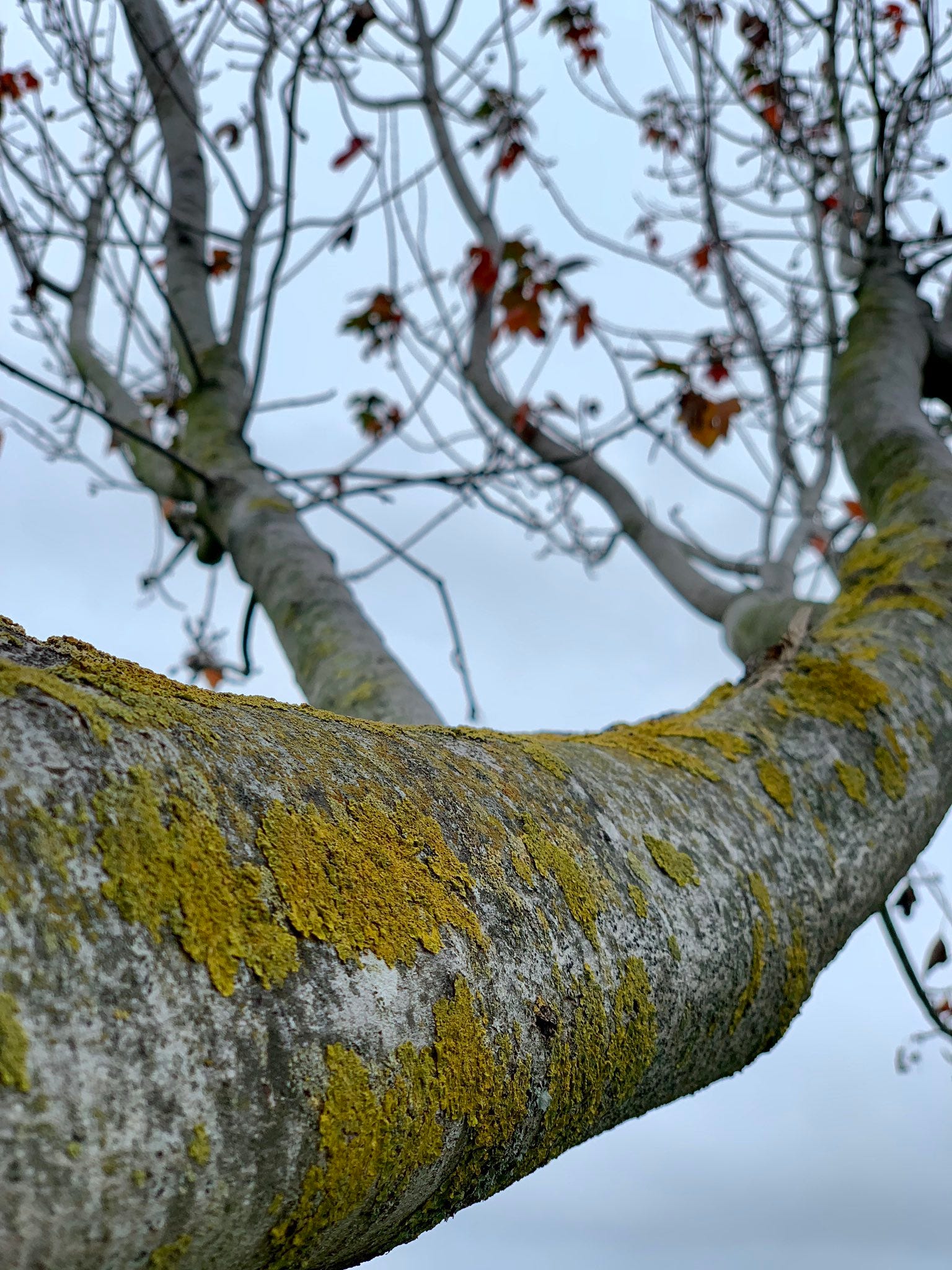
Treewalks
Over the last few months I’ve tried to apply this technique to my daily walk, focusing on one aspect at a time.
My favorite walks are treewalks. I’ve loved trees since I was a kid (and went into the forest daily), and they give me an opportunity to explore my neighborhood in a new way, learning its structure via trees rather than buildings. I try to find at least one new interesting tree each walk, and occasionally post findings to @thetreewalk.
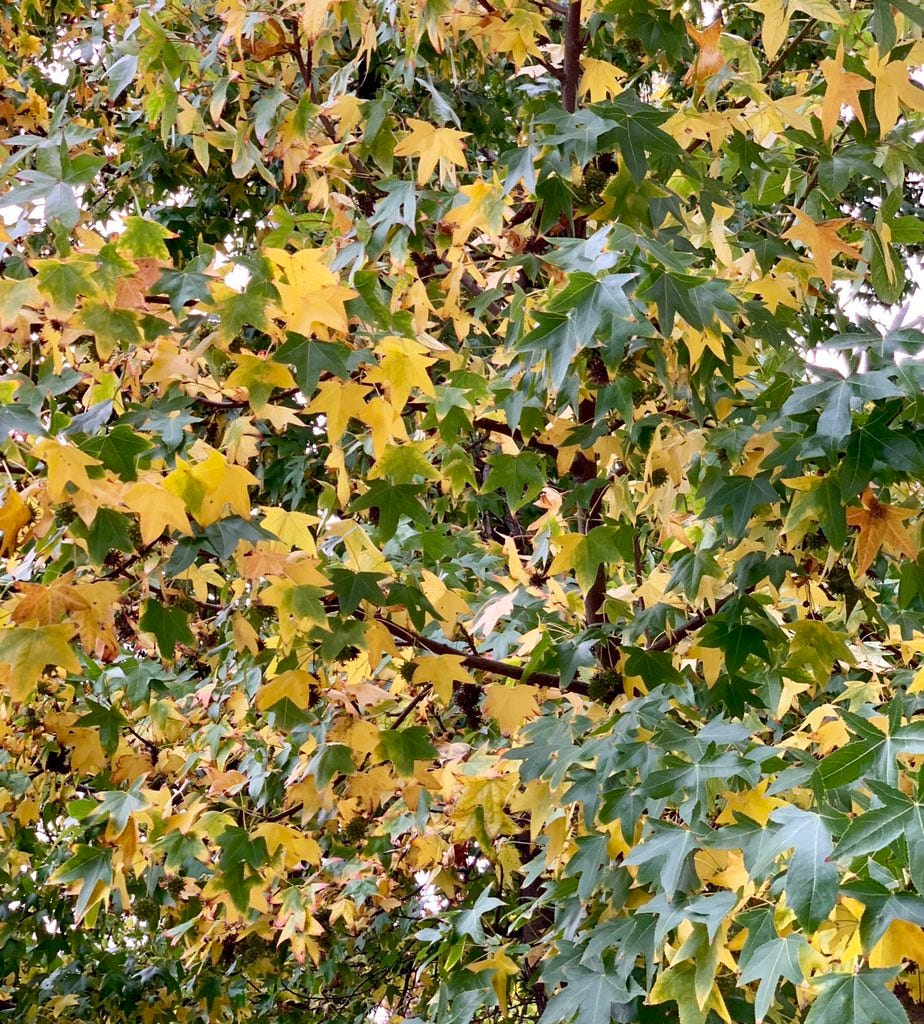
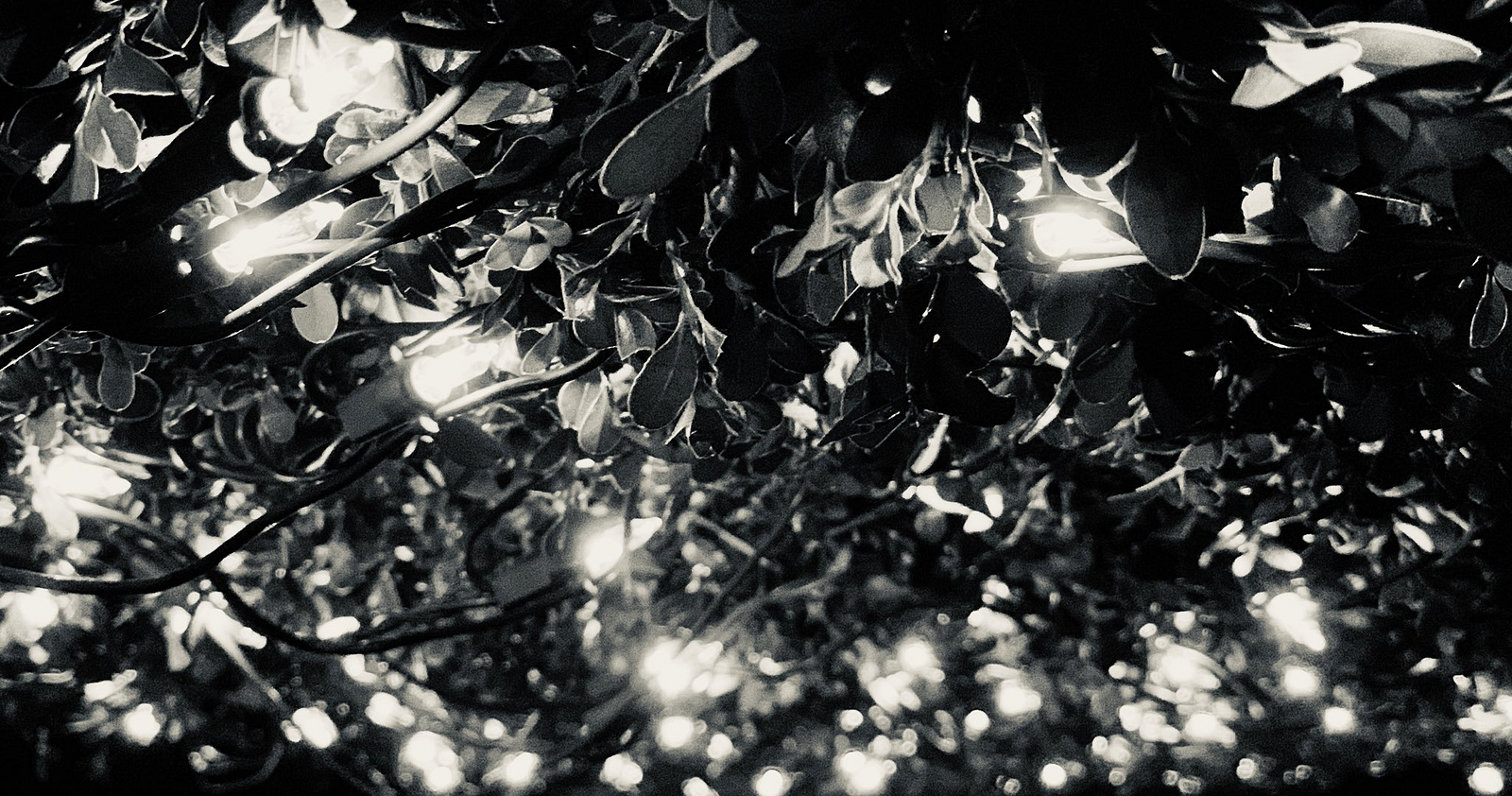 We’ve discovered over the past few thousand years that focusing on your breath leads to lasting mostly-positive neurological change. We’ve yet to experiment with focusing on trees, but subjectively my city has started to feel much more alive with plant-life.
While trees might not be your thing, I would encourage you to think purposefully about your attention. Try experimenting and perhaps you might experience otherwise ordinary situations in new ways.